
Two-Lane Roundabout Rules Every BC Driver Must Know
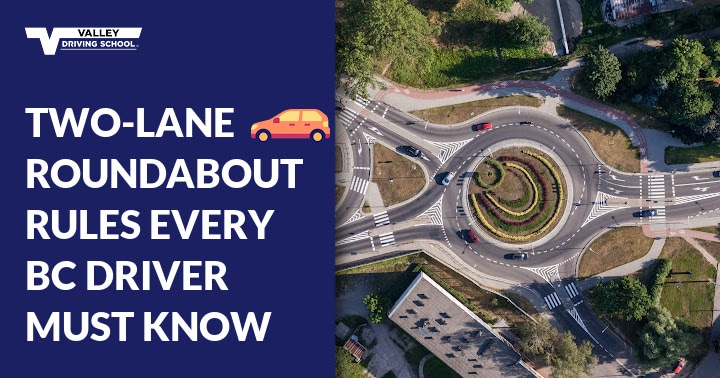
Two-lane roundabouts are becoming a common sight across British Columbia, and while they are designed to improve traffic flow and increase safety, they remain one of the most confusing intersections for many drivers. Unlike traditional stops or traffic lights, the multi-lane configuration requires drivers to make quick decisions about lane choice.
It’s important to distinguish modern roundabouts (which have the strict yield rules we discuss here) from the smaller, older neighbourhood traffic circles. Modern, multi-lane roundabouts only began appearing widely in the Lower Mainland in the 2000s. This relatively short history means that many experienced BC drivers learned to drive before these complex intersections existed, explaining why a refresher on the rules is so beneficial today.
For new drivers, navigating these intersections can be a source of anxiety. However, once you understand the simple, consistent rules for lane usage and communicating your intentions, you can approach any two-lane roundabout with confidence. Mastering these rules is a key step toward reducing stress and driving safely in BC’s circular intersections.
The core principles & pre-entry checklist
The fundamental rule for navigating any roundabout is straightforward, yet it is the point where many errors occur. Drivers must yield to all traffic already circulating in the roundabout.
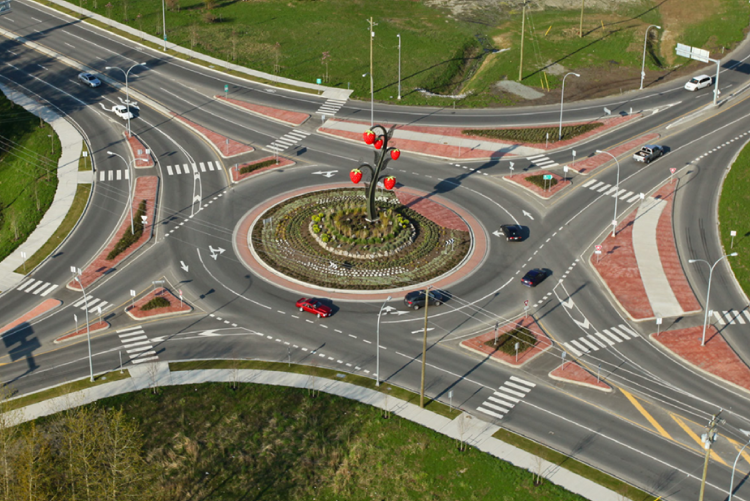
As you approach the roundabout, follow this complete pre-entry checklist to prepare yourself:
- Know Your Exit: Determine your final destination (right turn, straight through, left turn, or U-turn) before you arrive at the intersection.
- Read the Signs: Look for overhead or roadside signs well in advance. These signs indicate which lane leads to which exit and override general rules.
- Reduce Speed: Slow down to the advisory speed posted on signage. This gives you more time to scan for traffic, pedestrians, and cyclists.
- Choose Your Lane: Select the appropriate lane based on your intended exit and the posted signage, and stick to this lane while in the roundabout as lane changes are not allowed inside the roundabout. This means your pre-entry lane choice is paramount to a smooth exit.
- Yield to Traffic: Look left and wait for a safe gap. Traffic already inside the roundabout has the right-of-way.
Choosing Your Lane (Rules Step-by-Step)
Because lane changes are prohibited once you enter the circle, selecting the correct lane beforehand is the most important skill to master. Look for the overhead or roadside signs as you approach; they always take precedence.
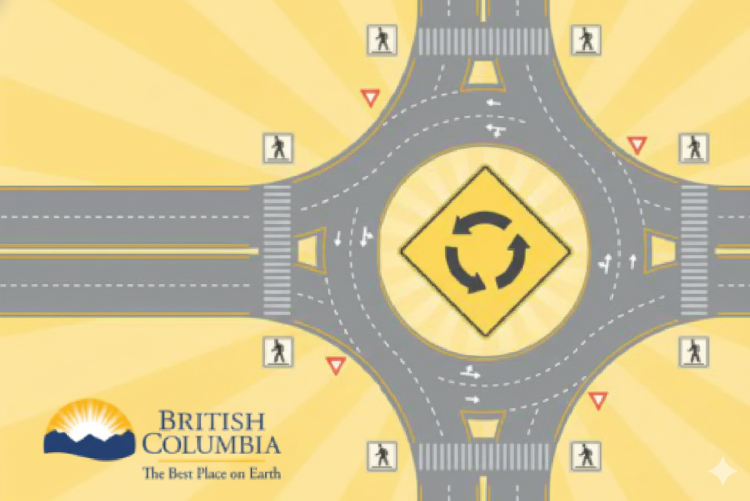
Unless posted signs or road markings dictate otherwise, follow these general guidelines for a two-lane approach:
- To Turn Right: You must be in the right lane (the outside lane). This lane guides you directly to the first exit.
- To Go Straight: You may use either the right or the left lane, and they will guide you to the second exit. Choose your lane based on traffic volume or your comfort level.
- To Turn Left or Make a U-Turn: You must be in the left lane (the inside lane). This position keeps you away from drivers exiting early and provides the path for the third exit or a complete rotation to the fourth exit.
Signalling Your Intentions
In a roundabout, your signal lights are vital communication tools. They tell drivers waiting to enter and pedestrians waiting to cross exactly where you plan to go.
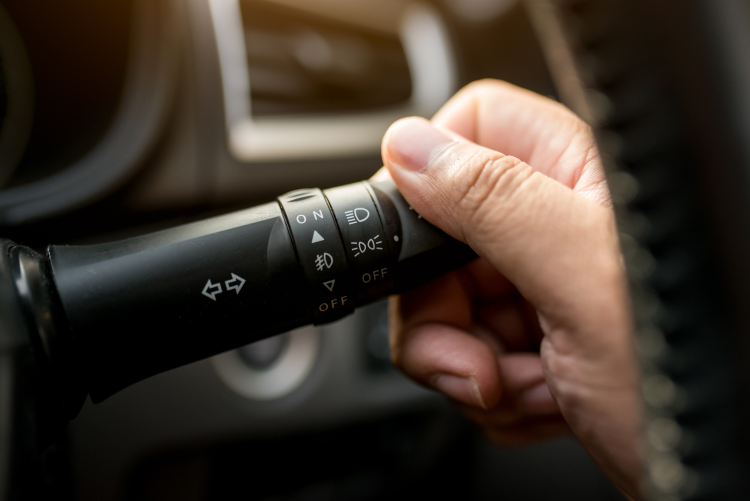
Signalling When Entering:
- If you are taking the first exit (turning right), you should signal right on approach, and maintain that signal until you exit.
- If you are going straight through, turning left, or making a U-turn, no signal is required upon entry. Your lane choice should communicate your general intention.
Signalling When Exiting:
Regardless of where you entered or what direction you are going, you should signal right just before your desired exit. Your right signal tells waiting drivers that the lane is about to become clear and informs pedestrians that you are leaving the road before the crosswalk. Yielding is the rule, and signalling is a courtesy!
Common Mistakes & Navigating Roundabouts Safely
Even experienced drivers can slip up in multi-lane roundabouts. Avoiding these common mistakes will make your drive smoother and significantly safer:
Drifting Lanes (Lane Cutting): This is perhaps the most dangerous mistake. Once you commit to a lane inside the roundabout, you must stay in it until you exit. Drivers must not change lanes inside the roundabout, even if they see highly broken white guiding lines. These broken lines are for visual guidance only; they do not indicate that a lane change is permitted. Drifting from the inner (left) lane to the outer (right) lane to reach your exit cuts off the driver legally circulating in the outer lane, which is a major collision hazard.
Failing to Yield: The traffic inside the roundabout has the right-of-way. Do not edge forward or rush the gap. Wait until you have a safe, clear break in both lanes of traffic before entering.
Stopping Inside the Circle: Avoid stopping inside a roundabout unless it is necessary to avoid a collision, or you are directed to do so by traffic flagger or emergency responder. Traffic is designed to keep moving. If you miss your exit, simply continue circulating until you reach your exit on the next rotation.
Mismanaging Emergency Vehicles: If an emergency vehicle approaches, do not stop in the roundabout. Continue driving to the closest exit, and then pull over immediately once you have cleared the intersection to allow the vehicle to pass.
Mismanaging Larger Vehicles: Sharing a roundabout, especially two-lane roundabouts, is a common occurrence. Commercial vehicles like dump trucks and semi-trucks need more space than a passenger vehicle to safely navigate a roundabout. These vehicles will often “split the lane” ahead of entering a two-lane roundabout, which just means they will take up both lanes to enter and navigate through the intersection. Due to this practice and the increased blind spots that commercial vehicles have, you should avoid passing or driving beside them while approaching or driving through a roundabout.
Local Examples in the Lower Mainland
Understanding the rules is one thing, but applying them in real-world traffic is another. The Lower Mainland has many complex roundabouts where practice is valuable.
Chilliwack: Yale Road and Evans Road Roundabout: This is a key local example where complex rules apply. Approaching from Yale Road, you need to commit early to your lane choice. Since traffic density is often high here, hesitation can cause delays or confusion. If you are turning left onto Evans, you must be in the left lane upon entry.
Abbotsford: McCallum Road Roundabouts: These roundabouts, located at both ends of the overpass near Highway 1, are particularly challenging due to their high volume and complexity. Traffic often backs up as drivers wait to yield and enter, and the constant flow of vehicles merging from and entering the freeway adds to the confusion. Drivers frequently have to navigate both roundabouts in quick succession, stressing the importance of clear lane choice, timely signalling, and maintaining awareness of vehicles entering the roundabout from the freeway ramps.
Preparing for the Road Test

While our focus is on creating safe drivers for life, you should know that your understanding of two-lane roundabouts may be assessed on a road test.
Examiners are looking for smooth driving and clear communication, which primarily involves two actions: correct lane choice upon approach and proper yielding procedures throughout the maneuver. Choosing the incorrect lane for your intended turn or failing to yield when you approach a roundabout can lead to hazards and space conflicts. By practicing the steps outlined above, you ensure your driving is confident, predictable, and aligned with all grading requirements.
–
Mastering the two-lane roundabout is simply a matter of learning a few precise rules and applying them with confidence. The consistency of these rules, once learned, removes the guesswork that causes driver anxiety. By focusing on proper pre-entry lane selection and clear communication with your signal lights, you will navigate these intersections safely and efficiently, reducing congestion and contributing to a safer flow of traffic in your community.
For more valuable insights on mastering intersection rules and establishing right-of-way, be sure to explore our other blog posts. You can expand your knowledge of traffic flow by checking out 4 Types of Intersections, or ensure you know who goes first with Who Has Right-of-Way.

Related Articles

Safe Driving Tips for Seniors
Ready to keep your independence on the road? Discover the defensive driving habits that keep BC seniors safe behind the wheel. Read on to stay informed!
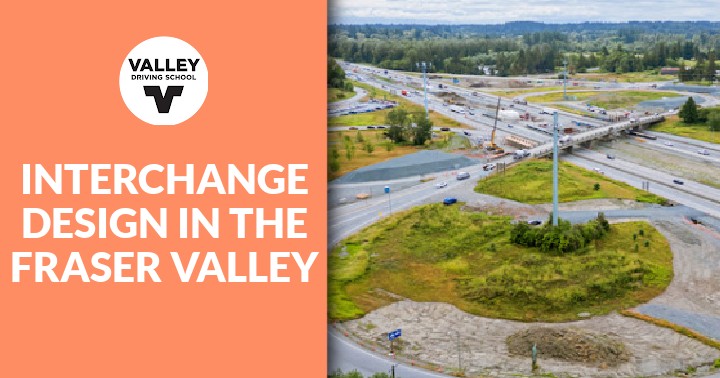
Interchange Design in the Fraser Valley
We explore the various interchange design types that define our landscape like the traditional Cloverleaf, modern Diverging Diamond, and how they impact road safety across BC.

How to Avoid Common Causes of Car Accidents
Learn the most common causes of car accidents and how to prevent them with defensive driving habits, intersection scanning, and distraction-free routines.