Navigating a Police Stop in BC
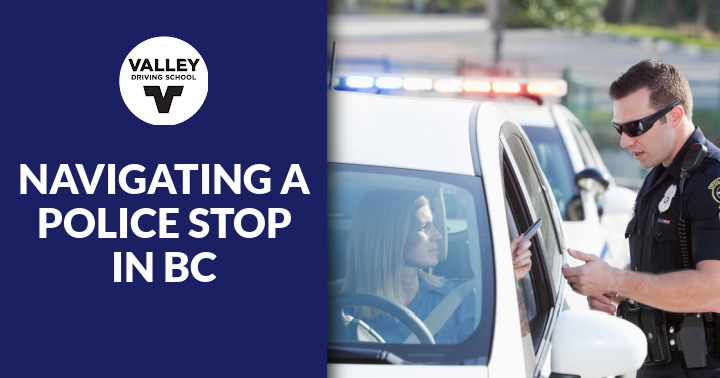
We all strive to drive safely and follow the rules of the road to ensure everyone reaches their destination without incident. However, many drivers may inadvertently commit a minor infraction or come across a roadblock during a routine commute.
This guide explores the practical steps a driver should take if police flashing lights appear in their rearview mirror or if they are flagged down by an officer from the roadside. Knowing how to interact with police and understanding rights under the BC Motor Vehicle Act can turn a potentially high-stress traffic stop into a calm, professional encounter. Whether navigating the busy intersections of Surrey or moving freight along the quieter stretches east of Abbotsford, these protocols ensure that everyone involved remains safe and informed.
What should drivers do when they see police lights?
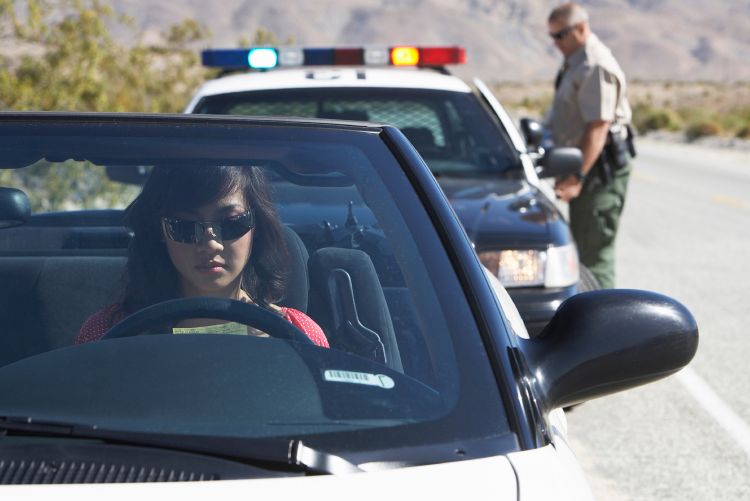
It can be a nerve-wracking situation to be pulled over. When a driver sees or hears police sirens or lights, they must signal their intent and find a safe place to pull over to the right side of the road as soon as possible. If a safe area off the road is available, the driver should move there; otherwise, they should pull onto the shoulder or a nearby side street to clear the lane of travel.
This might mean finding a wide shoulder on Highway 1 near Burnaby or turning into a well-lit parking lot in a busy urban center. Drivers should ensure they are not stopping in a position that puts them or the officer at risk from passing traffic. Once the vehicle has come to a complete stop, it should be put in park and the engine turned off to ensure it does not roll or cause excessive noise.
How should drivers prepare for an officer to approach the vehicle?
After stopping, drivers should roll down their window to allow for clear communication. It is best to keep hands visible—ideally on the steering wheel—stay as calm as possible, and wait for the officer to provide specific instructions before reaching for any documents.
The goal is to maintain a predictable environment. By rolling down the window and keeping hands visible, the driver signals cooperation. While it is natural to feel anxious, staying still and waiting for directions helps the process move efficiently. Regardless of the location, the protocol remains the same: drivers should not exit the vehicle unless specifically asked to do so by the officer.
What are a driver’s rights and responsibilities during a traffic stop?
During a stop in BC, a driver is legally required to provide their driver’s license, vehicle registration, and proof of insurance. However, they also have a constitutionally protected right to remain silent regarding any alleged wrongdoing. While a driver must follow lawful directions, they are not obligated to answer investigative questions, such as whether they know why they were stopped or how fast they were traveling.
The goal of questions like “Do you know why I pulled you over?” is often to gather an admission of guilt that can be used as evidence. Drivers should remain polite and cooperative, even if they choose not to answer these specific queries; a simple “I would rather not say” is a legally valid response. If the officer issues a citation, the driver should sign it; in BC, signing is merely an acknowledgment of receipt and is not an admission of guilt. The roadside is not the place for a legal dispute; evidence can be challenged later through the proper court channels.
How should a driver handle a speed trap flagging vs. a standard stop?
A speed trap often involves an officer standing near the roadway and manually flagging a driver to pull over rather than using a patrol car. If flagged, the driver must signal and pull over immediately in a safe and timely manner.
If an officer steps toward the road to signal a vehicle, the driver should not slam on the brakes. Instead, they should check their mirrors, signal their intent, and move toward the shoulder where the officer is directing them. This method is common in stationary enforcement zones where multiple officers work together to manage traffic flow and speed zones.
What should be done at a police roadblock?
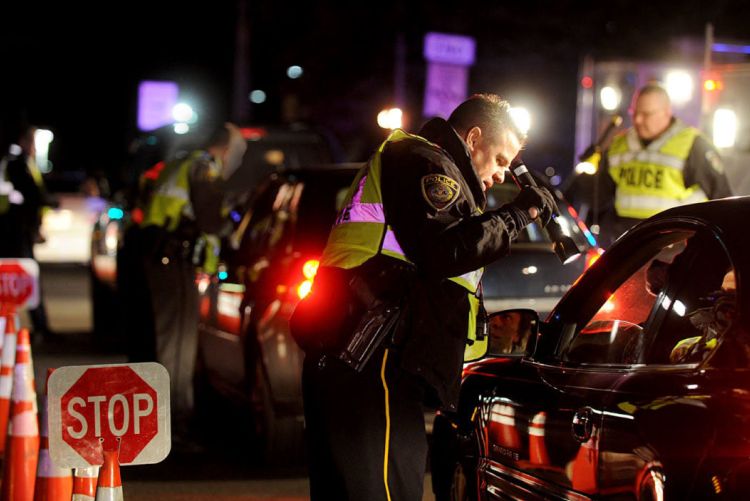
At a police roadblock, such as a CounterAttack program, drivers must follow the directions of the officers, stop where indicated, and be prepared to provide their license, registration, and insurance. Under the BC Motor Vehicle Act, a driver is also legally required to state their name and address if requested.
Roadblocks are frequently set up on major connectors, such as between Surrey and Langley. Drivers should never attempt to turn around to avoid a roadblock, as this often provides legal grounds for a stop. The interaction should be treated like a standard traffic stop: stay calm, keep hands visible, and provide the specific identification information required by law.
What if an officer asks, “Have you been drinking tonight?”
Drivers have a constitutionally protected right to remain silent and are not legally obligated to answer investigative questions about alcohol consumption. However, since December 2018, Canadian law allows police to demand a mandatory breath sample from any driver they have lawfully stopped, regardless of whether they have a reasonable suspicion of impairment.
While a driver does not have to answer questions about drinking, they should never lie to a police officer. In BC, providing an answer that is later proven inaccurate by a breath test can be used to undermine a driver’s credibility during a roadside prohibition dispute. Many legal experts suggest the most protective course of action is to remain silent or provide a neutral response, such as “I am exercising my right to remain silent,” rather than offering details that could be misconstrued.
What if drivers are unsure if the person pulling them over is a real officer?
If a driver is being signaled by an unmarked vehicle and feels unsafe, they should slow down, turn on their hazard lights to show compliance, and drive to the nearest well-lit, populated area. They can also call 911 to have the dispatcher verify that an official police stop is being conducted in that location.
This is a valid concern in less populated stretches around Chilliwack and Mission. If a busy area cannot be reached, the driver should pull over, lock the doors, and keep their phone in view of the person approaching while speaking with emergency dispatch. The window should be opened only slightly to explain that they are verifying the officer’s identity for safety. Real officers understand these concerns and will cooperate while dispatch confirms their status.
What happens after a ticket is issued?
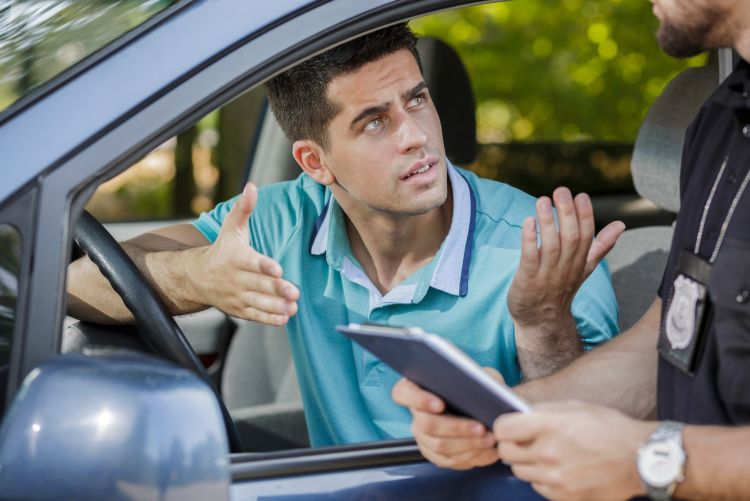
Once the interaction is complete and the officer has returned any documents, drivers should wait for an indication that they are free to leave. They should then carefully check mirrors and signal their intent to merge back into traffic when it is safe.
Receiving a ticket is never ideal, but it is not the end of the process. If a driver believes a ticket was issued unfairly or wishes to request a fine reduction, they have the right to dispute it. If a driver is facing immediate consequences, such as vehicle impoundment or a serious prohibition, contacting a legal professional is often the best next step.
–
Being stopped by the police is a standard part of driving life for many. By remaining calm, following directions, and understanding their rights, drivers can ensure the encounter remains professional and safe for everyone involved.
For more information on staying safe and protecting your rights on the road, please explore our other guides: How to Dispute a Driving Infraction Ticket in BC and What to Do If You’re Involved in an Accident.
Focused on supporting the people behind the wheel and sharing their knowledge. As Valley Driving School's Instructor Supervisor, I support scheduling and the day-to-day needs of our Car Instructors from Burnaby to Hope, and am proud to bring our collective road wisdom online.
Related Articles
Driver’s Guide to Speed Limits in British Columbia
Learn about speed limits in British Columbia, including default limits, school and playground zones, and advisory signs. Stay safe and confident behind the wheel with Valley Driving School’s complete driver’s guide.
Beyond the Mirrors: A Guide To Understanding Blind Spots
Every driver has experienced that momentary jolt of surprise: a car suddenly appears in the lane beside you, seemingly out of nowhere. This common occurrence is a result of driving blind spots, areas around a vehicle not visible to the driver through their mirrors or peripheral vision. Understanding where these blind spots are and how to manage them is a fundamental part of safe driving.
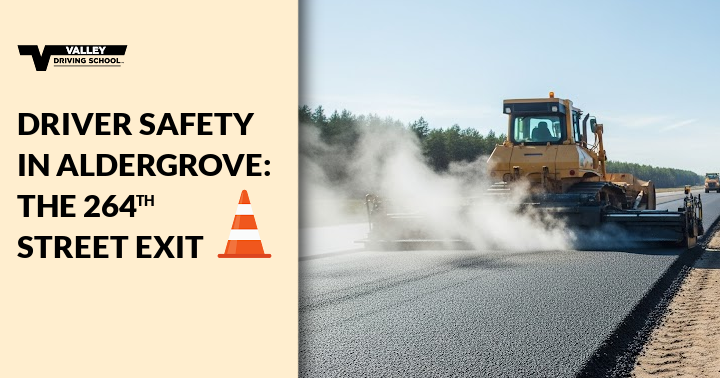
Driver Safety in Aldergrove: The 264th Street Exit
Anyone who has travelled westbound on Highway 1 from Abbotsford and the eastern Fraser Valley knows the 264th Street interchange as a frequent site for traffic incidents and congestion. The ongoing redesign of this interchange in Aldergrove represents a significant change for local drivers and a major step forward in regional traffic management.