
Eco-Driving for Commercial Drivers
In today’s world, where environmental concerns are at the forefront of global discussions, it has become imperative for every industry to strive for sustainability. One sector that has a substantial impact on fuel consumption and emissions is the commercial driving industry. However, there is hope in the form of eco-driving – a set of techniques and practices that can drastically reduce fuel consumption and minimize the environmental footprint of commercial vehicles.
What is eco-driving?
Eco-driving is a driving style that aims to maximize fuel efficiency while also taking into account the environmental impact of vehicle operations. It involves employing specific practices and techniques that can substantially reduce fuel consumption and greenhouse gas emissions. By adopting eco-driving principles, commercial drivers can contribute significantly to the well-being of the planet. There are many benefits to eco-driving, including reduced fuel consumption and lower emissions, cost savings, and improved safety.
One of the most significant advantages of eco-driving is its potential to minimize fuel consumption. Commercial vehicles, especially large trucks, are notorious for their high fuel usage. However, by implementing eco-driving practices, businesses can significantly reduce their overall fuel costs. Simple adjustments, such as avoiding rapid acceleration and excessive idling, can make a remarkable difference in fuel efficiency.
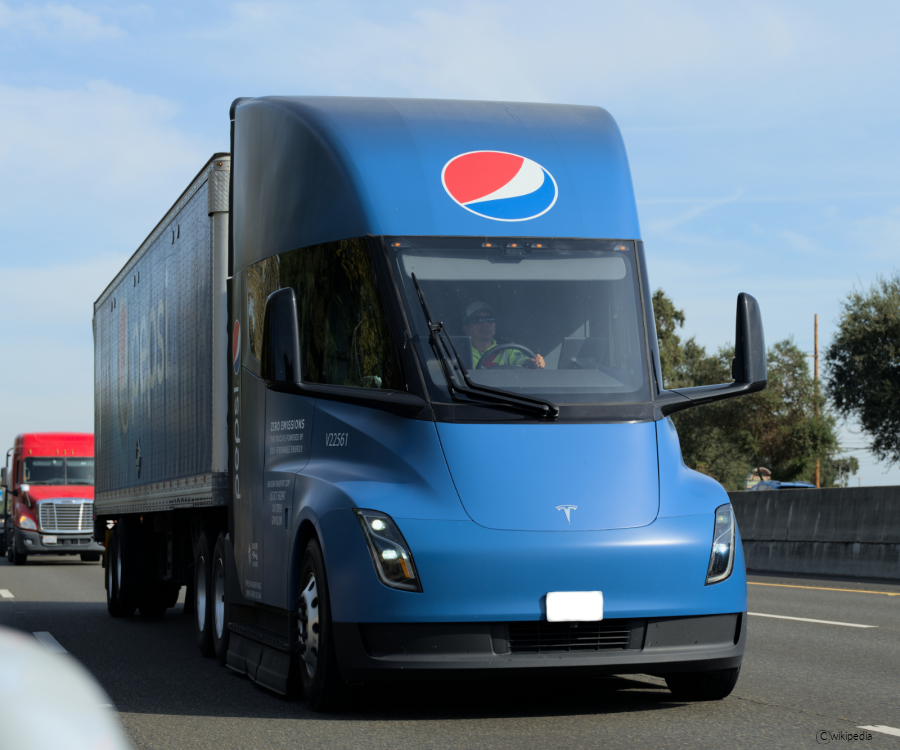
Reducing greenhouse gas emissions is crucial for combating climate change as commercial vehicles are a significant source of carbon dioxide and other pollutants. By practicing eco-driving, commercial drivers can minimize their carbon footprint. Techniques like maintaining a consistent speed and avoiding unnecessary gear shifts help optimize fuel combustion and reduce emissions, making a tangible impact on air quality.
Eco-driving not only benefits the environment but also provides cost savings for businesses and owner-operators. By reducing fuel consumption, companies and drivers can lower their operational costs. Additionally, eco-driving requires a proactive approach to vehicle maintenance, ensuring optimal performance and longevity of the fleet. This leads to decreased maintenance costs and fewer vehicle breakdowns, resulting in improved efficiency and profitability.
Eco-driving techniques are closely aligned with safe driving practices. Drivers are encouraged to maintain a safe distance, anticipate road conditions, and abide by speed limits. Adhering to these principles minimizes the risk of accidents and promotes road safety for all motorists. By prioritizing both safety and eco-driving, companies can protect their employees, assets, and the public.
What are some eco-driving techniques for commercial drivers?
To fully embrace eco-driving in the commercial sector, drivers and fleet managers need to adopt certain techniques and practices. Some of the key strategies to consider include smooth acceleration and deceleration, maintaining consistent speeds, minimizing idle time, and completing proactive vehicle maintenance.
Working towards smooth acceleration and deceleration, and avoiding unnecessary throttle and brake use, helps conserve fuel. Gentle acceleration allows the vehicle to reach its desired speed more efficiently, reducing the strain on the engine and minimizing fuel consumption. Gradual deceleration allows the vehicle to use regenerative braking systems effectively, recovering energy that would otherwise be wasted.

Driving at a consistent speed whenever possible helps optimize fuel efficiency. Frequent acceleration and deceleration can waste fuel and increase emissions. By maintaining a steady speed, drivers can improve fuel economy and promote smoother traffic flow.
Unnecessary idling is a significant contributor to both fuel consumption and emissions. Drivers should avoid leaving the engine running during extended stops or breaks. By turning off the engine when not in use, even for short periods, fuel consumption can be significantly reduced, benefiting both the environment and cost savings.
Regular maintenance and vehicle inspections are essential for optimal performance and fuel efficiency. This includes checking tire pressure, engine tuning, and addressing any mechanical issues promptly. Well-maintained vehicles operate more efficiently, consume less fuel, and emit fewer pollutants.
What is the role of technology in eco-driving?
Advancements in technology are rapidly transforming the transportation industry, and eco-driving is no exception. Beyond telematics and Advanced Driver Assistance Systems (ADAS), several other technological innovations are contributing to fuel efficiency and environmental sustainability.
Electric and hybrid vehicles offer significantly lower emissions and fuel consumption compared to traditional internal combustion engines. As battery technology improves and charging infrastructure expands, these vehicles are becoming increasingly viable options for commercial fleets. Predictive maintenance, utilizing data analytics and sensors, allows fleet managers to anticipate equipment failures, enabling proactive maintenance and reduced downtime. This optimizes vehicle performance and fuel efficiency. Driver coaching apps provide real-time feedback to drivers on their eco-driving performance, helping them improve habits and reduce fuel consumption. Technology is also being used to refine vehicle design for better aerodynamics, reducing drag and improving fuel efficiency. Additionally, the use of lighter materials in vehicle construction can reduce overall weight, leading to improved fuel economy.

Beyond these direct impacts, technology contributes to eco-driving in other ways. Advanced traffic management systems can optimize traffic flow, reducing congestion and fuel consumption. Integrating renewable energy sources into fleet operations, such as solar panels for charging electric vehicles or generating electricity for fleet facilities, further reduces carbon emissions. By leveraging data from various sources, fleet managers can make informed decisions about vehicle selection, route optimization, and driver training, leading to overall improvements in fuel efficiency and environmental performance.
– Eco-driving in the commercial sector offers substantial benefits to businesses, the environment, and society at large. By implementing eco-driving techniques and practices, commercial drivers can significantly reduce fuel consumption, lower emissions, cut costs, and improve road safety. Embracing eco-driving is a win-win for businesses and the planet. Let’s drive towards a more sustainable future, one mile at a time.
Related Articles

How to Dispute a Driving Infraction Ticket in BC
Receiving a traffic ticket can be frustrating, especially if you believe it was issued in error. The process of disputing a ticket in British Columbia may seem daunting, but it is certainly doable. While this information is intended to be a helpful starting point, it is not a substitute for legal advice, so be sure to reach out to a professional if needed. Laws can change, and your specific situation may require professional counsel.
5 Tips for Rookie Truck Drivers
Starting a career as a commercial truck driver is a big step, and the early days on the road can be both challenging and exciting. We’ve got five great tips to help new truck drivers navigate the early stages of their careers with confidence, from landing that first job to staying safe and efficient on the road for years to come.

Motorcycle Lingo Decoded: Understanding Biker Talk
Decode common motorcycle lingo from everyday biker talk and essential gear terms to the hand signals you'll see on the road, the language of bike customization, and how riders communicate in a group.