
Drivers Guide to Safe Driving with Full Self-Driving in BC
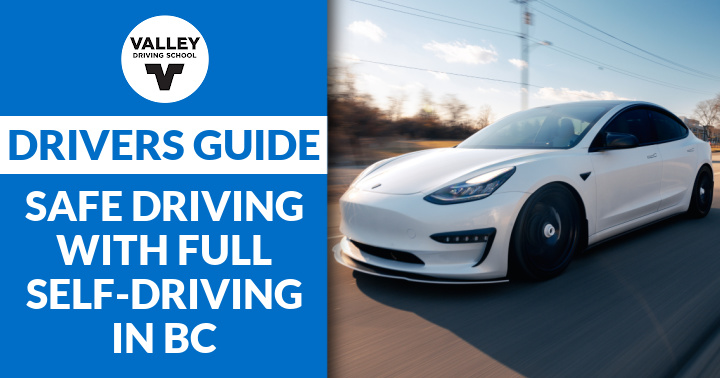
Automotive technology is moving fast these days, and it is pretty amazing to see clips on social media of vehicles steering themselves through busy traffic. While amazing, it’s easy to feel a bit confused about what is allowed when your new car comes equipped with high-tech steering and braking features. Whether you are a seasoned motorist or a beginner who is currently taking driving lessons to get comfortable on local roads, your vehicle might be smart enough to navigate tight city corners on its own, but BC provincial law is clear: you are still responsible for every move your car makes.
We’re going to look at how Advanced Driver Assistance Systems (ADAS) compare to Automated Driving Systems (ADS), such as Tesla’s Full Self-Driving (FSD), on public roads, the Motor Vehicle Act regulations, and how these driver aids can impact you as a driver.
What is the difference between Autopilot and Full Self-Driving?
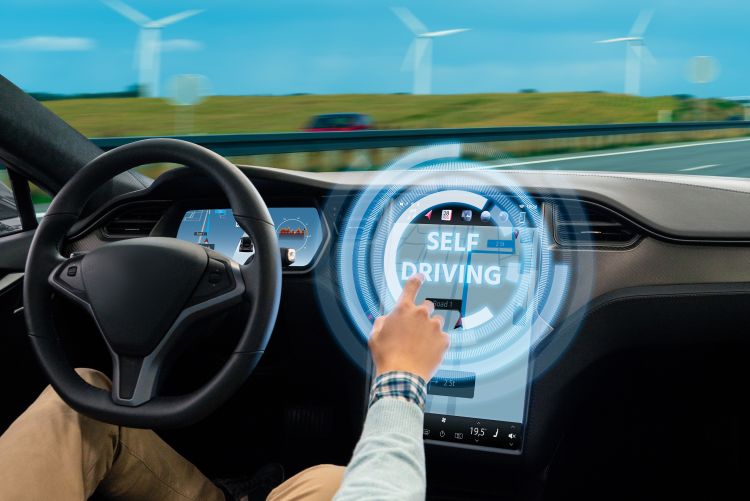
Standard driver-assist features, often referred to as Autopilot, help with basic lane centering and speed matching on longer stretches of road, like cruising down the freeway through Langley. Advanced “self-driving” software packages, like Full Self-Driving (FSD) build on those controls by allowing a car to steer through intersections, change lanes, and execute turns on neighborhood streets. Neither setup allows you to stop paying attention to traffic.
Most smart vehicles come from the factory with basic tools like traffic-aware cruise control and automatic steering support. These standard options keep your car spaced safely behind other traffic and centered between painted lane lines, which is perfect for long stretches of highway driving. It is important for all drivers in British Columbia to understand how these features work to safely operate their vehicles.
When you upgrade to a premium package, like Tesla’s FSD, the vehicle gains the ability to navigate complex urban routes, obey stop signs, stop for red lights automatically, and even yield when transit buses are pulling out of their stops. There are specialty tools built into these setups, including automated parking options and remote summon features that slowly move the vehicle out of tight parking spots using a mobile phone app. While these features might be available to vehicle owners, in British Columbia, you are legally obligated to maintain control of the vehicle. You have to keep your hands on the steering wheel and feet ready to operate the brake and accelerator.
Are self-driving cars legal to use in British Columbia?

Using partial automation, such as cruise control, assisted braking, and lane-assist, is legal on public roads as long as you actively supervise your vehicle. British Columbia laws strictly ban highly automated systems where you can completely disengage from driving. Every passenger vehicle available today requires your full care and control to operate legally.
Our provincial government updated the Motor Vehicle Act to set clear boundaries around self-driving features. The province banned highly automated driving setups, which cover Level 3, Level 4, and Level 5 technology. These higher setups are engineered to let the vehicle handle trips on its own, meaning the manufacturer would take on the legal responsibility if something goes wrong. Because our traffic laws require a human to be fully engaged at all times, you cannot legally operate a car that lets you tune out.
That is exactly why car companies design advanced software packages, like Tesla’s FSD, to function strictly as Level 2 driver assists. They give the vehicle incredible capabilities, but they legally leave all the responsibility to the driver. It stays legal to use on our roads because the computer is only assisting with steering and speed control while you look after the rest. The BC Highway Patrol has been very clear about this, reminding everyone that you cannot just let a computer drive for you. Whether you are dealing with stop-and-go gridlock in Coquitlam or traveling down a quiet side street, these tools are there to back you up, not replace you. You always remain the primary operator.
What are the strict legal requirements for supervising a smart car in BC?
To drive legally with automated assists, you must maintain full visual awareness of your surroundings, keep a firm grip on the steering wheel, and accept full legal fault for any traffic violations. Provincial regulations state that the human driver remains liable for whatever the car does while motion assists are active.
Staying compliant with local BC traffic laws comes down to three behaviors that you must practice every time you engage a computer assist:
- Maintain continuous attention: Your eyes stay on the road ahead and you are fully awake and sober. This is an important rule for new drivers who are still getting comfortable with traffic patterns, as well as seniors who might be adapting to a high-tech dashboard.
- Keep physical control: Maintain at least one hand on the wheel and keep your feet resting close to the pedals. If the car miscalculates a turn or fails to see a hazard, you need to be able to take over immediately.
- Accept total driver liability: If your vehicle goes over the posted speed limit, cuts off a cyclist, or runs a red light while the software is active, a police officer will write the ticket directly to you, not the car manufacturer. Following these safety requirements ensures you and everyone around you stays safe.
What are the penalties for misusing automated driving features in BC?

Treating a partial assist system as a driverless vehicle brings heavy legal consequences from local law enforcement. Drivers caught sleeping, watching screens, or ignoring the road will be penalized under distracted or dangerous driving laws. Fines climb up to thousands of dollars and can include prison time.
We have seen a few high-profile incidents lately with vehicles traveling at highway speeds while the operators were not paying attention to the road, or even asleep. Because of these safety hazards, officers look closely for people abusing their smart car settings. If an officer spots you looking away from the road or taking both hands off the wheel on the freeway, you can face an immediate distracted driving ticket, which carries a baseline $368 fine along with 3 demerit points on your driver’s licence. If the situation is more severe, such as a driver curling up for a nap while the vehicle travels down the freeway, the province can upgrade the charges to dangerous driving or criminal negligence. Those major offenses bring a maximum fine of $2,000 and can land a driver in jail for up to six months.
How can you safely integrate driver-assist technology into your daily commute?
Using modern car technology safely means treating every automation feature as a supportive safety net rather than a full replacement for your eyes and hands. Drivers should use these tools to lower their driving fatigue on clear roads while maintaining active awareness of their surroundings.
Modern driving features are great for avoiding close calls, especially if you are handling a long ride-hailing shift or driving a delivery van all day. These automated features can make your day a lot safer. However, you have to know how to work with the system and its shortcomings, since cameras and radar sensors easily get confused by heavy West Coast rainstorms or thick morning fog. The tech also has a much harder time tracking the narrow profile of a motorcycle when lane markings get blurry. And, their effectiveness can decrease when snow or slush covers the painted lines on the road in winter. When the weather changes, rely on your own eyes and feet instead of the computer.
Overconfidence is how most automated driving mishaps happen. Keep your windshield clean so the camera sensors behind your rearview mirror stay clear of dirt or morning frost. By keeping your mind active and expecting the software to make an unexpected error, you can enjoy the comfort of modern car tech while staying secure on the road.
Can you use self-driving or driver-assist systems during an ICBC road test?

Turning on an automatic driving system during an ICBC road test could result in an immediate fail or a canceled appointment. The examiner is there to grade the driver’s steering, braking, and hazard perception skills, not the vehicle’s software. All semi-autonomous features should be disabled before your road test begins.
When you start your road test, the ICBC examiner will complete a quick vehicle safety check and ask if you have any active tracking, recording, or automated systems. You can keep basic tools like a backup camera turned on, but you are not allowed to rely on the screen exclusively. The examiner needs to see you physically turning your head, checking your side mirrors, and performing full 360-degree shoulder checks before you reverse. Convenience options like automatic parallel parking assist, highway lane-keeping steering, and cruise control should be turned off. If your vehicle has automatic emergency braking that cannot be deactivated by the dashboard settings, ICBC will allow the driver to proceed, but avoid triggering it. If the car has to step in and apply the brakes for you, it tells the examiner that you failed to read a developing hazard in time, which could result in a fail.
For new drivers, the entire point of the road test is to prove you can maintain total care and control over your vehicle using your own senses. You should avoid using these automated features while learning to drive, as they can hinder the development of good driving habits. Leaving an advanced autopilot or steering assist active during a lesson means the car is making the safety choices for you, making it difficult to grade your real-world driving habits fairly. While these tech features function as an excellent safety net, relying on them while learning to drive turns them into a digital crutch. Keeping these smart features off allows you to learn how to navigate local roads, busy intersections, and tight parking spots safely using your own defensive driving skills.
–
Automating parts of your drive can be a great way to stay safe on our busy local roads, but technology can never replace human judgment. Staying safe while using driving assists in British Columbia requires keeping your hands on the wheel, staying fully focused on the road, and remaining ready to act instantly. By treating smart software as a helpful assistant rather than another driver, you can take full advantage of modern vehicle safety features while keeping everyone on the road secure.
We invite you to read our other articles, including Drivers Guide to Cruise Control and Avoid Car Accidents: Common Causes + Prevention Tips to learn more about using technology and staying safe on our local BC roads.

Focused on supporting the people behind the wheel and sharing their knowledge. As Valley Driving School's Instructor Supervisor, I support scheduling and the day-to-day needs of our Car Instructors from Burnaby to Hope, and am proud to bring our collective road wisdom online.
Related Articles
Drivers Guide to Emergency Vehicle Right-of-Way Rules in BC
Sudden sirens wailing behind you? Master BC's emergency vehicle right-of-way rules, like intersection protocols and the "Slow Down, Move Over" law. Read on to stay calm and safe!
BC Dashcam Guide 2026
BC dashcam guide for 2026: legality, safe mounting that won't obstruct your view, privacy basics, and top dashcam picks for BC drivers.
BC Rest Stop Etiquette and Safety Guide
Use BC rest areas safely with etiquette tips, where to park, how long you can stay (8-hour guideline), and what to do if you notice fatigue.